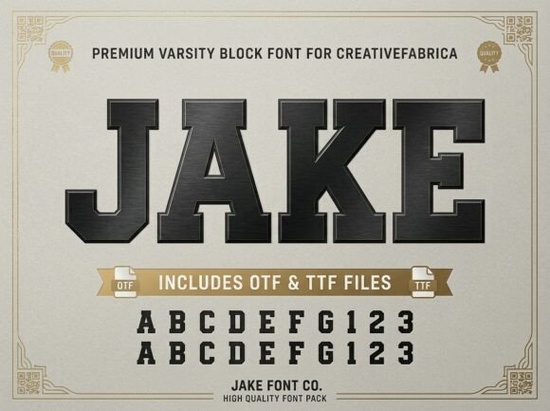
If you’re designing sports jerseys, team logos, or gym merchandise, you need a font that delivers energy and authority. The Jake font is a premium varsity block typeface built for that. It brings classic collegiate proportions and sharp slab serifs that make any design feel like it belongs on the field.
What makes Jake font stand out from other varsity fonts?
Most sports fonts lean either too thin or too decorative. Jake keeps things simple and powerful. It follows traditional block lettering used on high school and university athletic uniforms, so it instantly reads as sports or team spirit. The heavy weight means it holds up well even when scaled down for tiny jersey numbers or enlarged for a massive banner. Because the serifs are slab-shaped, the letters stay clean and readable from a distance.
If you compare it to other display fonts, you’ll notice Jake has a disciplined look that doesn’t compete with logos or graphics. It works as a standalone statement or as a complement to mascot illustrations. This makes it a solid pick for print-on-demand sellers who want one font that can handle multiple products without looking out of place.
How can you use Jake font in your designs?
The best use cases come straight from its athletic roots. Here are a few ways designers and crafters already put Jake to work:
- Jersey numbering – The bold, solid shapes are perfect for screen printing or heat transfer on t-shirts and hoodies.
- Team branding – Use it for mascot names, school initials, or conference logos. It has the right weight for embroidered patches.
- Gym apparel – Tank tops, sweatpants, and training tees look more professional with a varsity block font.
- Event posters – Whether it’s a championship game or a school fair, Jake makes headlines easy to read from across the room.
- Trophy and plaque text – The slab serifs add a small touch of elegance that works on metal or wood engraving.
- Digital graphics – For social media posts or team hype videos, the font keeps a consistent, strong presence on any background.
Because the letterforms are straightforward, you can combine Jake with thin sans-serif fonts for contrast. For example, use Jake for the main headline and a lightweight font like Montserrat Light for subtitles. This creates a professional hierarchy without clashing styles.
Is Jake font the right choice for your project?
It depends on the mood you want. If you’re going for nostalgic high school or college vibes, Jake fits perfectly. But if your brand is more playful or vintage, you might consider other options. For instance, the Harlow Chunky Font offers a softer, rounded look that still feels bold but less serious. On the other hand, the Groovy Cute Font is better for retro themes or children’s apparel, where a strict block font might feel too formal.
For those working on western or rustic designs, the Vintage Western Font matches that theme much more closely. And if you want a mix of old and new, the Back to Vintage Font gives a worn, classic texture that contrasts with Jake’s clean edges.
Jake is most useful when you need fast readability and instant sports recognition. Small businesses making custom uniforms will appreciate that it works well on both light and dark fabrics, especially in single-color prints. It also handles outlined versions nicely, which is great for two-color jersey designs.
Tips for pairing Jake font with other design elements
Because Jake is heavy, don’t overcrowd it. Keep your layout simple. Use lots of white space around the letters. Avoid adding too many decorative borders or textures that might fight with the font. Stick to one or two accent colors from the team palette.
For print-on-demand sellers, test the font at different sizes before settling on a mock-up. Jake looks great at large sizes, but on a small sticker or tag, the heavy weight might fill too much space. In those cases, consider using a lighter weight of the same style or scaling down the letter spacing slightly.
Practical checklist before you download Jake font
If you’re ready to try Jake, here’s a simple checklist to make sure it’s the right fit:
- Confirm the license covers your intended use (personal, commercial, or print-on-demand).
- Test it on a mock-up of your most common product (t-shirt, poster, or digital graphic).
- Check how it looks both in uppercase and lowercase – Jake is designed with full uppercase support, so plan your text accordingly.
- Pair it with a clean sans-serif font for any additional information (e.g., player names or event dates).
- If you need a softer alternative, explore Harlow Chunky Font or Groovy Cute Font for different vibes.
Once you’ve tested these steps, you’ll know if Jake fits your next project. It’s a straightforward, strong option for anyone who wants their designs to say “athletic” without extra noise.
Explore Design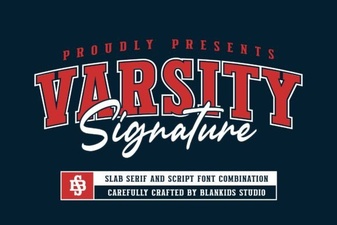 Varsity Signature Font: Add Retro Flair to Your Work
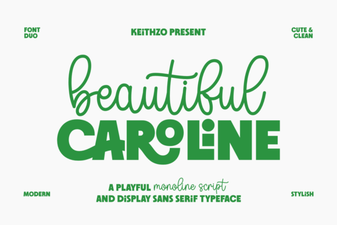 Caroline: a Beautiful Font for Creative Designs
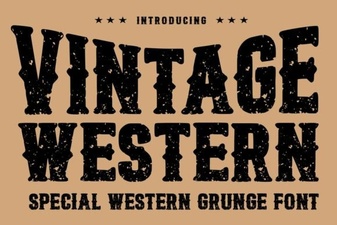 Craft Classic Designs with Vintage Western Fonts
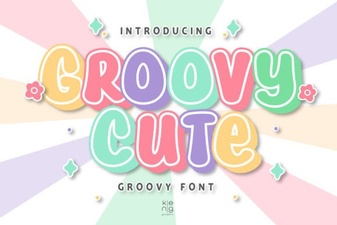 Groovy Cute Fonts for Creative Projects & Designs
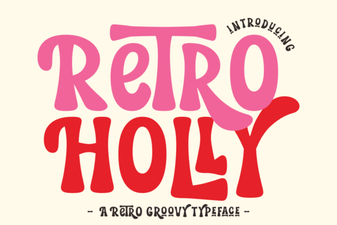 Retro Holly Fonts for Seasonal Design Projects
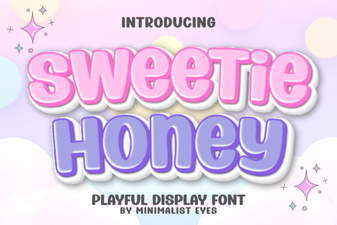 Sweetie Honey Font: a Friendly Script for Projects